In the sprawling narrative of twentieth-century design, few movements possess the enduring magnetism of Art Deco. Born in the exuberant 1920s, it was the aesthetic of the machine age, a celebration of speed, luxury, and modernism that found expression in everything from towering skyscrapers to delicate jewelry. Its signature elements—bold geometric shapes, rich colors, and lavish ornamentation—defined an era of optimism. For decades after its peak, it was often viewed as a period piece, a glamorous relic of a bygone age. Yet, in a fascinating twist of cultural cyclicality, the principles of Art Deco are experiencing a profound and sophisticated renaissance, not as mere revivalism, but as a resonant echo in contemporary design, architecture, and fashion.
The most potent and immediately recognizable of these echoes is the movement's foundational love affair with geometry. The original Art Deco designers were obsessed with the clean, sharp lines of the zigzag, the sunburst, the trapezoid, and the chevron. They saw in these forms a visual language that spoke of efficiency, power, and a new world order. Today's designers are revisiting this lexicon, but with a distinctly modern sensibility. The contemporary interpretation is less about ornate application and more about simplification and essence. We see it in the clean, angular lines of a minimalist apartment, where a stark, stepped pattern on a rug or a sharply cornered metallic light fixture provides a dramatic focal point without overwhelming the space. This is not the busy, all-over patterning of a 1920s ballroom; it is geometry with purpose and restraint, used to create rhythm, definition, and a subtle nod to a storied past.
This process of simplification is inextricably linked to a broader re-contextualization of the Deco spirit. The original movement was unapologetically opulent, utilizing materials like lacquer, ivory, sharkskin, and exotic woods to signal wealth and status. The contemporary echo understands this language of luxury but translates it into a new vernacular. The opulence is not gone but has been refined. Polished chrome and gold leaf are replaced by brushed brass and powder-coated black steel. The visual impact of inlaid precious stones is achieved through sophisticated terrazzo surfaces or bold, graphic tile work. The luxury is in the craftsmanship, the precision of a perfectly executed beveled edge on a marble countertop, or the flawless joinery of a custom-made console table that echoes the stepped forms of an Aztec pyramid—a key inspiration for the original Deco pioneers.
Nowhere is this modern reinterpretation more publicly visible than in the world of architecture and urban design. While we are not building new Chrysler Buildings, the architectural philosophy of Art Deco—creating bold, memorable silhouettes and employing decorative elements to emphasize structure—is finding new life. Contemporary facades often feature strong vertical lines, recessed spandrel panels, and geometric metalwork that recall the setback designs and decorative grilles of classic Deco towers. The difference lies in the material palette and the scale of the ornament. Today's buildings might use fritted glass, composite panels, and sophisticated LED lighting systems to create a similar play of light, shadow, and pattern, but it is integrated, often serving an environmental or functional purpose alongside an aesthetic one. The drama is still there, but it is a smarter, more sustainable drama.
The influence extends powerfully into the realm of interiors and product design. Furniture designers are consistently mining Deco forms, producing pieces that feature tapered flutes, waterfall edges, and symmetrical, streamlined shapes. These designs feel fresh because they are stripped of excessive detail; the form itself is the decoration. Lighting, a category where Art Deco truly shone, is a particular hotspot for this revival. Contemporary light fixtures frequently employ stacked geometric forms, ribbed glass, and metallic finishes to cast light in patterns that would feel instantly familiar to a Jazz Age socialite, yet the designs are unequivocally of the 21st century. This is the true hallmark of a successful design echo: it feels simultaneously nostalgic and utterly new.
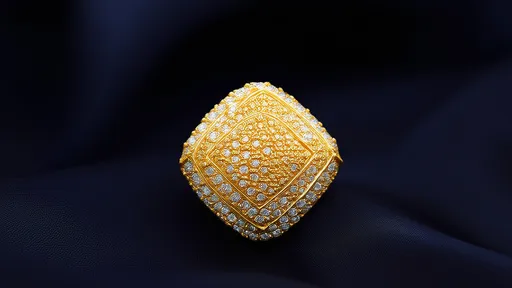
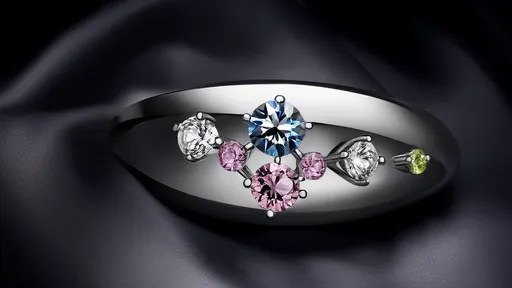
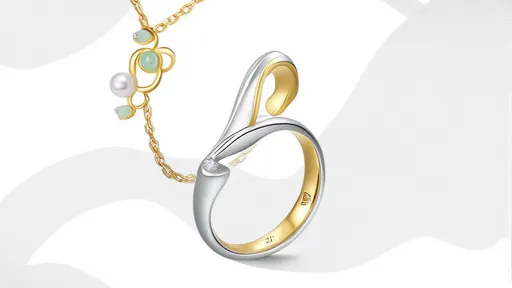
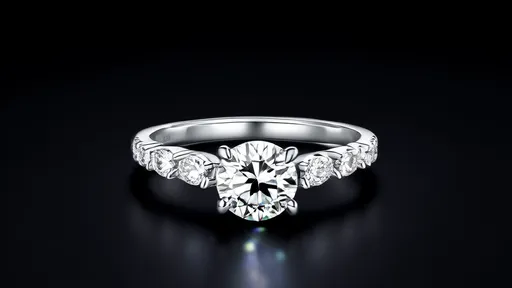
Fashion, always a quick barometer of cultural shifts, has wholeheartedly embraced the Deco resurgence. The graphic boldness of the style translates seamlessly to textiles and accessories. We see it in the precise pleating of a dress that creates a living sunburst pattern, in the sharp, architectural lines of a structured handbag, or in jewelry that favors geometric art stones and clean metal settings over more organic, flowing forms. The aesthetic aligns perfectly with a modern desire for clothing that makes a strong, confident statement through shape and pattern rather than through logos or overt branding. It is a wearable form of empowerment, much as it was a century ago.
So why now? What is it about our current moment that has us looking back to the Roaring Twenties for visual inspiration? The parallels are intriguing. We, too, are emerging from a period of global upheaval and seeking a new modernity. We are navigating a technological revolution that is reshaping our world at a dizzying pace. In such times, there is a comfort and a clarity in the strong, definitive lines and optimistic spirit of Art Deco. It represents an age that looked forward with excitement, embracing the future without completely abandoning the hand of the artisan. Furthermore, in an digital world saturated with fluid, screen-based imagery, the tangible, physical presence of geometric design offers a satisfying counterpoint—something solid, intentional, and real.
The contemporary echo of Art Deco is therefore far more than a trend or a retro fad. It is a meaningful dialogue between past and present. It is not about copying but about understanding and evolving a core set of design principles for a new era. Today's designers are taking the DNA of Deco—its geometry, its boldness, its sense of spectacle—and filtering it through a lens of minimalism, sustainability, and digital-age functionality. The result is a design language that honors the glamour and ambition of the original while speaking directly to the aesthetic and philosophical needs of today. It is a testament to the power of great design to transcend its time, finding new relevance and new beauty for generations to come.
By /Aug 27, 2025
By /Aug 27, 2025
By /Aug 27, 2025

By /Aug 27, 2025

By /Aug 27, 2025
By /Aug 27, 2025

By /Aug 27, 2025

By /Aug 27, 2025

By /Aug 27, 2025

By /Aug 27, 2025

By /Aug 27, 2025
By /Aug 27, 2025
By /Aug 27, 2025
By /Aug 27, 2025

By /Aug 27, 2025

By /Aug 27, 2025

By /Aug 27, 2025

By /Aug 27, 2025

By /Aug 27, 2025

By /Aug 27, 2025
