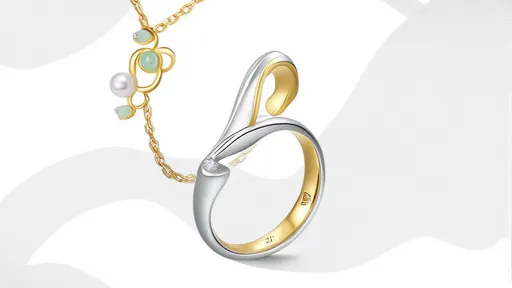
In the ever-evolving landscape of luxury and personal adornment, jewelry has transcended its traditional role as mere ornamentation to become a profound medium for emotional expression and technological innovation. The convergence of sentimental value and cutting-edge technology is reshaping how we perceive, create, and interact with jewelry, giving rise to a new era where pieces are not just worn but experienced. This fusion is redefining intimacy, memory, and connection in ways that were once the realm of science fiction, yet are now becoming accessible realities for consumers seeking deeper meaning in their possessions.
At the heart of this transformation lies the concept of emotional design, which emphasizes the creation of products that evoke and cater to human feelings. Jewelry, inherently tied to life’s most poignant moments—be it love, loss, celebration, or remembrance—is uniquely positioned to leverage this approach. Designers are increasingly focusing on crafting pieces that tell stories, encapsulate memories, and foster emotional bonds. For instance, lockets that hold photographs have given way to more sophisticated iterations, such as pendants that can store digital messages, heartbeat recordings, or even snippets of voice from loved ones. These innovations transform jewelry into intimate archives of personal history, making emotions tangible and wearable.
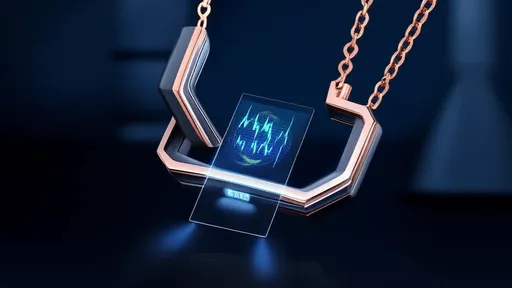
Technology serves as the enabler of this emotional depth, with advancements like embedded sensors, micro-computing, and connectivity features pushing the boundaries of what jewelry can do. Smart materials, such as alloys that change color based on the wearer’s body temperature or mood, add a dynamic, interactive layer to pieces. Imagine a ring that shifts hues during moments of excitement or calm, visually reflecting inner states. Similarly, the integration of Near Field Communication (NFC) chips allows jewelry to become keys to digital content—unlocking personalized videos, photos, or messages when tapped against a smartphone, thus blending physical beauty with digital nostalgia.
Wearable technology has further blurred the lines between functionality and sentimentality. Beyond fitness trackers and smartwatches, there is a growing niche for jewelry that discreetly incorporates health monitoring, such as rings that track sleep patterns or necklaces that monitor stress levels through subtle biometric sensors. These pieces not only provide practical benefits but also deepen emotional connections by promoting well-being and mindfulness. For example, a bracelet that vibrates gently to remind the wearer to breathe during stressful moments can become a cherished companion for mental health, embodying care and support in its design.
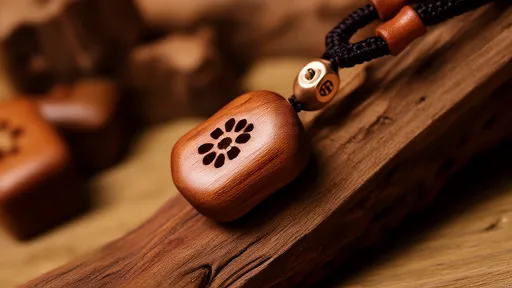
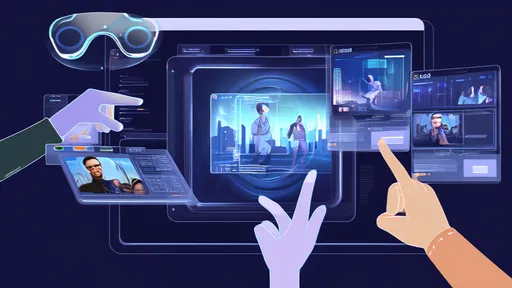
Personalization is another critical aspect driving this trend. With technologies like 3D printing and laser engraving, consumers can co-create bespoke pieces that are uniquely theirs. From designing custom shapes based on handwritten notes to incorporating ashes of a loved one into gemstones, the possibilities for individual expression are nearly limitless. This level of customization ensures that each piece carries irreplaceable emotional weight, transforming mass-produced luxury into heartfelt exclusivity. Brands are leveraging augmented reality (AR) tools to allow customers to visualize and tweak designs in real-time, enhancing the emotional investment in the creation process itself.
Sustainability and ethics are also becoming intertwined with emotional design, as consumers increasingly seek jewelry that aligns with their values. Lab-grown diamonds, for instance, offer conflict-free alternatives without compromising on beauty or sentiment, allowing wearers to celebrate milestones with a clear conscience. Similarly, pieces made from recycled metals or materials sourced from ethical mines resonate with environmentally conscious buyers, adding a layer of moral satisfaction to emotional attachment. Technology aids this shift through blockchain traceability, where buyers can verify the origins and journey of their jewelry, further enriching the narrative behind each piece.
The role of social connectivity cannot be overlooked in this new paradigm. Jewelry embedded with technology can facilitate shared experiences across distances; for example, paired bracelets that light up or vibrate when one wearer touches theirs, enabling couples or friends to feel connected despite being apart. This "tactile internet" of wearables fosters a sense of presence and intimacy, turning jewelry into a tool for maintaining relationships in an increasingly digital world. Such innovations are particularly meaningful in eras of isolation, as seen during global events like pandemics, where physical touch was limited but emotional need was heightened.
Looking ahead, the fusion of emotion and technology in jewelry is set to deepen with emerging advancements like artificial intelligence (AI) and biometric feedback. AI could analyze personal data to suggest designs or inscriptions that resonate with individual histories, while biometric integration might lead to pieces that adapt in real-time to emotional states—perhaps a necklace that tightens slightly as a comforting embrace during moments of anxiety. Virtual and augmented reality will likely play larger roles in how jewelry is marketed and experienced, allowing potential buyers to not only try on pieces digitally but also immerse themselves in the stories and emotions associated with them before purchase.
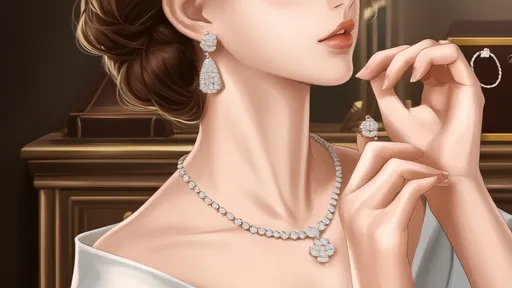
Ultimately, this trend toward emotionally intelligent and technologically enhanced jewelry reflects a broader cultural shift toward meaningful consumption. In a world saturated with mass-produced goods, people crave items that offer authenticity, connection, and personal significance. Jewelry, as a timeless carrier of human emotion, is perfectly suited to meet this demand through innovation. By marrying the artistry of traditional craftsmanship with the possibilities of modern technology, the industry is creating a new language of adornment—one that speaks directly to the heart while embracing the future.
As consumers continue to seek deeper engagement with their possessions, the boundaries between technology, art, and emotion will only blur further. Jewelry will evolve from static objects to dynamic companions that grow and change with their wearers, capturing not just moments but entire lifetimes of feeling. This is not merely a trend but a transformation, redefining what it means to wear something beautiful—and something profoundly personal.
By /Aug 27, 2025
By /Aug 27, 2025
By /Aug 27, 2025
By /Aug 27, 2025

By /Aug 27, 2025
By /Aug 27, 2025
By /Aug 27, 2025
By /Aug 27, 2025

By /Aug 27, 2025
By /Aug 27, 2025
By /Aug 27, 2025
By /Aug 27, 2025
By /Aug 27, 2025
By /Aug 27, 2025
By /Aug 27, 2025
By /Aug 27, 2025
By /Aug 27, 2025
By /Aug 27, 2025

By /Aug 27, 2025
By /Aug 27, 2025
