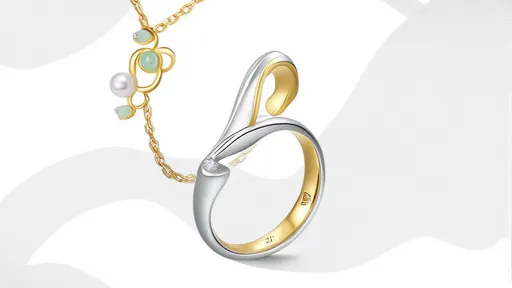
In the realm of design, few techniques possess the subtle power and evocative charm of negative space. When metal is employed to delineate forms through this principle, the results often transcend mere aesthetics, tapping into something deeper within our perceptual and emotional faculties. The allure of shapes defined by metal outlines lies not just in what is present, but profoundly in what is absent—the silent dialogue between substance and void that invites viewers to complete the picture themselves.
Negative space, or the empty areas surrounding and between subjects, has long been a cornerstone of artistic composition. From the ancient Japanese concept of ma—which emphasizes the importance of emptiness—to the modernist explorations of artists like Escher and the iconic logos that leverage clever gaps to imply dual meanings, this technique thrives on suggestion rather than declaration. When metal is used to frame these voids, it introduces a unique set of qualities: strength, permanence, and a tactile sharpness that contrasts with the implied softness of the empty areas. The hardness of metal seems to heighten the ethereal nature of the negative space it contains, creating a tantalizing tension between the tangible and the imagined.
There is a psychological dimension to this interplay that makes metal-outlined shapes particularly captivating. Human perception is inherently wired to seek patterns and completeness, a tendency rooted in our survival instincts. When confronted with a form that is only suggested by a metallic contour, our minds rush to fill in the gaps, engaging us in an active rather than passive viewing experience. This cognitive participation fosters a deeper connection with the piece, as we become co-creators in the visual narrative. The sparkle or reflectivity of certain metals can further enhance this effect, catching light and casting subtle shadows that change with the viewer’s perspective, making the experience dynamic and personal.
Moreover, the use of metal in negative space designs often carries symbolic weight. Metals like bronze, steel, or gold bring their own cultural and historical connotations—durability, luxury, industry, or elegance. When these materials are used not to solidly fill a shape but to sketch its boundaries, they impart these associations in a more nuanced way. For instance, a golden outline of a leaf might suggest both the preciousness of nature and its fragility, all without rendering the leaf in full. This economy of expression can make the message more potent, as it relies on implication and invites reflection.
In architectural and interior contexts, metal-defined negative spaces can manipulate perception of scale and environment. A steel framework outlining geometric patterns on a facade doesn’t just decorate; it breaks up solid masses, making structures feel lighter and more open. Inside a space, such designs can create the illusion of depth or movement, guiding the eye through areas without overwhelming it with solid forms. The precision afforded by metalworking allows for crisp, clean lines that define negative space with exactitude, ensuring that the emptiness is shaped as intentionally as any solid element.
The interplay between positive and negative space in metal designs also echoes broader philosophical themes: presence and absence, being and nothingness, the seen and the unseen. This resonance can evoke a contemplative response, encouraging viewers to ponder not just the object before them, but the spaces between things in their own lives. It’s a reminder that what is not said can be as powerful as what is spoken, and that emptiness is not a lack but a potential—a canvas for the imagination.
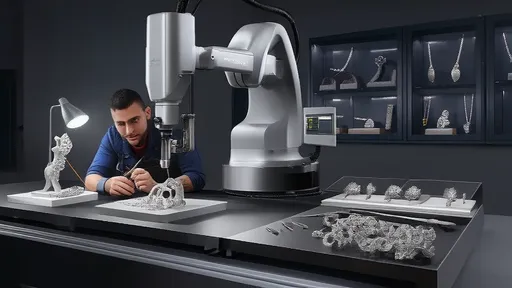
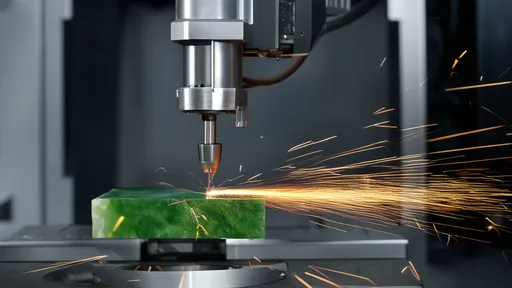
Technological advancements have expanded the possibilities for negative space in metal design. Laser cutting, water jet precision, and 3D printing allow for intricacies that were once impossible, enabling designers to create lace-like metal structures that are as much void as they are substance. These technologies facilitate the creation of designs where the negative space becomes the primary focus, with the metal acting as a delicate tracery that hints at forms rather than dictating them fully. This fusion of traditional material with modern technique results in works that feel both timeless and contemporary.
Ultimately, the enchantment of shapes outlined by metal through negative space lies in their ability to engage multiple levels of human experience: visual, cognitive, emotional, and even spiritual. They challenge us to see beyond the obvious, to appreciate the beauty in suggestion, and to find meaning in the balance between what is there and what is not. In a world often saturated with explicit imagery and information, such designs offer a welcome pause—a moment of quiet intrigue and personal interpretation that makes them not just visually striking, but deeply memorable.
By /Aug 27, 2025
By /Aug 27, 2025
By /Aug 27, 2025
By /Aug 27, 2025

By /Aug 27, 2025
By /Aug 27, 2025

By /Aug 27, 2025

By /Aug 27, 2025

By /Aug 27, 2025

By /Aug 27, 2025
By /Aug 27, 2025
By /Aug 27, 2025
By /Aug 27, 2025
By /Aug 27, 2025
By /Aug 27, 2025
By /Aug 27, 2025

By /Aug 27, 2025

By /Aug 27, 2025

By /Aug 27, 2025
By /Aug 27, 2025
