When it comes to jewelry care, ultrasonic cleaners have become a popular tool for their ability to remove dirt and grime with remarkable efficiency. However, the very technology that makes these devices so effective can also pose a significant threat to certain gemstones. It is a common misconception that all jewelry can be safely cleaned in an ultrasonic machine; in reality, the intense vibrations and heat generated can cause irreversible damage to many precious and semi-precious stones. Understanding which gems are vulnerable is not just a matter of preserving their beauty, but also of protecting your financial and sentimental investments.
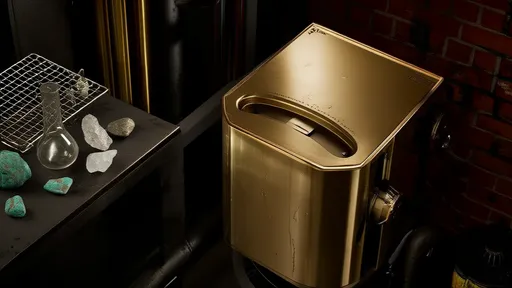
The principle behind ultrasonic cleaning involves the use of high-frequency sound waves that create millions of tiny bubbles in a liquid solution. This process, known as cavitation, produces intense pressure changes that effectively dislodge dirt from hard-to-reach places. While this is ideal for durable materials like diamonds and gold, it can be disastrous for gems with specific structural weaknesses. Factors such as internal fractures, porosity, hardness, and sensitivity to heat or chemicals all play a critical role in determining whether a stone can withstand the ultrasonic process.
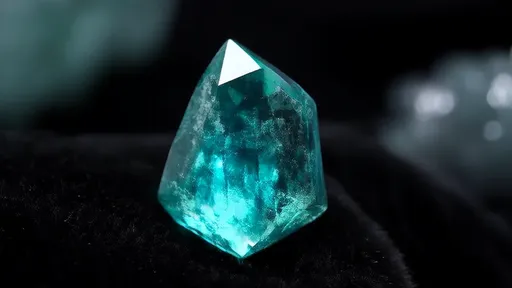
Emeralds are perhaps the most well-known example of gems that should never be placed in an ultrasonic cleaner. Most emeralds contain natural inclusions and fractures that are typically filled with oil or resin to enhance their clarity. The violent vibrations of an ultrasonic cleaner can dislodge these fillings, leaving the stone looking cloudy and significantly reducing its value. Moreover, the heat generated during the cleaning process can cause thermal shock, potentially exacerbating existing cracks or creating new ones.
Similarly, opals require special care due to their unique water content. Opals contain between 3% and 20% water, making them particularly susceptible to changes in temperature and humidity. The heat from an ultrasonic cleaner can cause the water within the stone to evaporate, leading to cracking or crazing—a network of fine cracks that can destroy the stone's play-of-color. Additionally, opals are relatively soft compared to other gems, making them vulnerable to abrasion from the cleaning process itself.
Pearls, whether natural or cultured, are another category of gemstones that should be kept far away from ultrasonic cleaners. Pearls are organic gems formed within mollusks, and their surface is composed of layers of nacre, which is relatively soft and prone to scratching. The ultrasonic vibrations can not only scratch the pearl's surface but also loosen the bonding material that holds the nacre layers together. Furthermore, the heat can cause pearls to lose their luster and become dull over time.
Turquoise is a porous gemstone that is often treated with wax or oil to enhance its color and stability. The ultrasonic cleaning process can strip away these treatments, leaving the stone vulnerable to discoloration and damage from oils and perspiration. The vibrations can also cause turquoise to crack along natural fault lines, particularly if the stone has not been properly stabilized. Its relative softness further increases its susceptibility to abrasion during cleaning.
Another gem that demands caution is lapis lazuli. This beautiful blue stone is actually a rock composed of multiple minerals, including pyrite, which gives it characteristic golden specks. The different components have varying hardness levels, making lapis lazuli particularly vulnerable to ultrasonic cleaning. The vibrations can cause the softer minerals to break down, leading to surface pitting and loss of polish. Additionally, lapis is often treated with wax or oil, which can be removed by the cleaning process.
Amber, being fossilized tree resin, is another organic material that should never be subjected to ultrasonic cleaning. It is soft, easily scratched, and sensitive to both heat and chemicals. The high temperatures generated in an ultrasonic cleaner can cause amber to become brittle and crack, while the vibrations can create microscopic fractures that compromise its structural integrity. Many amber pieces also contain inclusions of ancient insects or plant material that could be dislodged during cleaning.
Moonstone and other feldspar gems require special consideration due to their cleavage properties. These stones have perfect cleavage in one or more directions, meaning they can split easily along certain planes. The vibrations from an ultrasonic cleaner can cause moonstones to develop cracks along these cleavage planes, potentially ruining the stone. Additionally, the adularescence—the characteristic blue sheen—can be diminished by the intense cleaning process.
It's not just the obvious fragile gems that are at risk. Even seemingly durable stones like tanzanite can be vulnerable. Tanzanite has perfect cleavage, making it prone to breaking if subjected to ultrasonic vibrations. Many tanzanites are also heat-treated to enhance their color, and additional heat from cleaning could potentially alter their appearance. The same applies to iolite and kunzite, which share similar cleavage characteristics.
Beyond specific gem types, there are other factors to consider. Jewelry with multiple types of stones should generally avoid ultrasonic cleaning unless you are certain all components can withstand the process. Pieces with glued components or elaborate settings may also be at risk, as the vibrations can loosen adhesives or weaken prongs. Antique jewelry deserves particular caution, as older stones may have undetectable fractures or previous repairs that make them more vulnerable.
For these sensitive gems, alternative cleaning methods are recommended. Warm soapy water with a soft brush is often sufficient for most jewelry cleaning needs. For pearls and other organic gems, simply wiping with a soft, damp cloth is usually adequate. It's always advisable to consult with a professional jeweler before attempting to clean valuable pieces, especially if you're uncertain about the proper method. They can assess your specific jewelry and recommend the safest cleaning approach.
Ultimately, while ultrasonic cleaners offer convenience and powerful cleaning capabilities, they are not suitable for all types of jewelry. The key to preserving your precious gems lies in understanding their individual characteristics and vulnerabilities. When in doubt, err on the side of caution and seek professional advice. Your jewelry represents not just monetary value but often sentimental worth as well—taking the time to care for it properly will ensure it continues to bring joy for generations to come.
By /Aug 27, 2025
By /Aug 27, 2025

By /Aug 27, 2025

By /Aug 27, 2025

By /Aug 27, 2025
By /Aug 27, 2025

By /Aug 27, 2025
By /Aug 27, 2025

By /Aug 27, 2025
By /Aug 27, 2025
By /Aug 27, 2025
By /Aug 27, 2025
By /Aug 27, 2025
By /Aug 27, 2025

By /Aug 27, 2025
By /Aug 27, 2025

By /Aug 27, 2025

By /Aug 27, 2025

By /Aug 27, 2025
By /Aug 27, 2025
