In the realm of contemporary jewelry design, a fascinating trend has emerged that marries traditional Chinese aesthetics with modern craftsmanship: the New Chinese style jewelry, which masterfully employs the concept of negative space to evoke the serene and profound essence of ink wash painting. This artistic movement transcends mere adornment, transforming precious metals into canvases where the minimalist beauty of blankness speaks volumes, echoing the ancient philosophy that less is often more.
At the heart of this design philosophy lies the principle of liubai, or intentional blank space, a cornerstone of Chinese art for centuries. Derived from ink wash paintings and calligraphy, where empty areas are as crucial as the strokes themselves, liubai creates balance, harmony, and a sense of infinite possibility. In New Chinese jewelry, artisans skillfully incorporate this concept by using noble metals like gold, platinum, and silver to frame voids, carve out delicate patterns, or suggest forms rather than fully delineate them. The result is a collection of pieces that feel both timeless and avant-garde, where the metalwork does not dominate but instead guides the eye to appreciate the beauty of what is left unsaid and unseen.
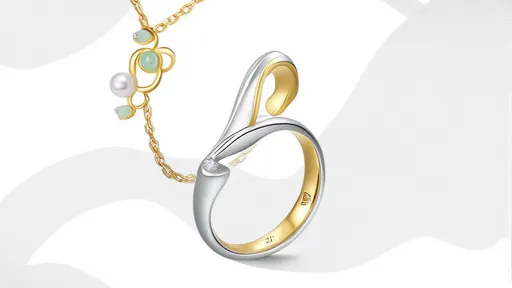
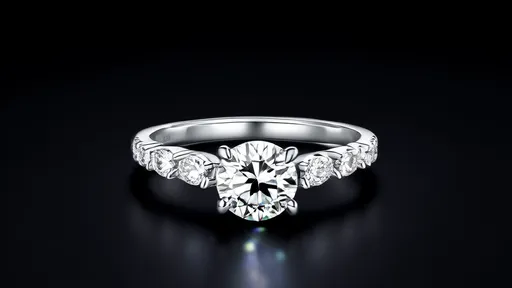
The inspiration drawn from水墨意境 (shuimo yijing), or the artistic conception of ink wash, is palpable in these creations. Imagine a pendant where the gold outline suggests a misty mountain range, with large areas left open to symbolize the clouds and voids that invite the wearer's imagination to wander. Or consider a ring designed to resemble a half-filled inkstone, with the metal sculpted to imply fluid movement and the empty spaces representing the untouched paper awaiting the brushstroke. This approach transforms jewelry into wearable poetry, where each piece tells a story through suggestion rather than explicit detail, much like a classic Chinese landscape painting that leaves room for personal interpretation.
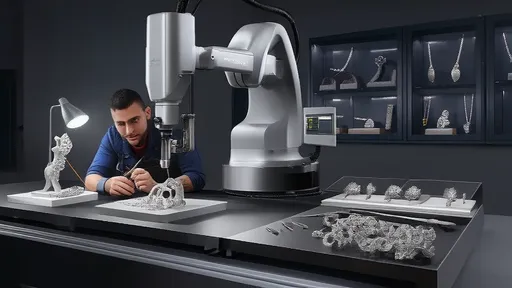
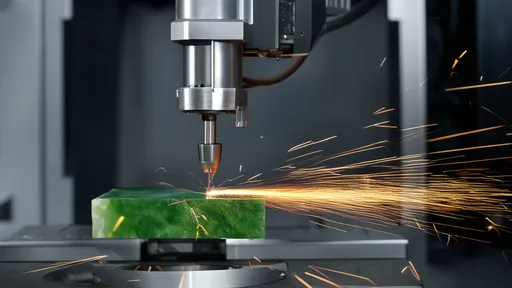
Artisans specializing in this style employ advanced techniques such as fine filigree, openwork carving, and precision casting to achieve these effects. For instance, they might use 18k gold to create intricate lattice patterns that mimic the brushstrokes of bamboo or plum blossoms, with the negative space between the wires evoking the lightness of ink diffusing on paper. In other designs, platinum is hammered and textured to resemble aged parchment or stone, with deliberate gaps that allow light to pass through, enhancing the depth and ethereal quality. The choice of materials is deliberate; the lustrous sheen of precious metals contrasts beautifully with the emptiness, creating a dynamic interplay that shifts with movement and light, much like the varying shades in a monochrome painting.
Cultural symbolism is deeply embedded in these pieces, reflecting values such as humility, tranquility, and the Daoist idea of wuwei (effortless action). By embracing blank space, the jewelry encourages a meditative appreciation for simplicity and the unseen forces that shape our world. A bracelet might feature a coiled dragon motif where the creature's body is only partially formed, its power implied through the negative space that suggests motion and mystery. Similarly, a pair of earrings could abstractly reference the yin-yang symbol, using gold and void to represent balance and interdependence. This not only honors heritage but also resonates with modern consumers seeking meaning and mindfulness in their accessories.
Market response to New Chinese jewelry with liubai aesthetics has been overwhelmingly positive, particularly among younger generations and international collectors who appreciate its fusion of tradition and innovation. Designers like Zhang Xiaofei and brands such as "Yun Xiang" have gained acclaim for their collections that feature these elements, often showcasing pieces at global exhibitions where they stand out for their philosophical depth. Social media has played a key role in popularizing this trend, with influencers highlighting how such jewelry complements both traditional qipao and contemporary minimalist fashion, making it versatile and deeply personal.
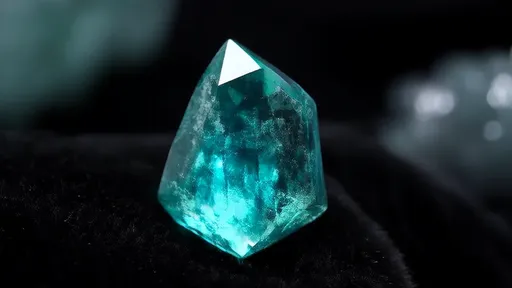
Looking ahead, the evolution of this style promises further experimentation with materials and forms. Some designers are incorporating colored gemstones sparingly, using them as accent "dots" akin to seals on a painting, while others explore mixed metals to add subtle contrast without compromising the minimalist ethos. Sustainability also aligns well with this approach, as the emphasis on less material waste and more thoughtful design echoes broader environmental values. As this movement grows, it not only enriches the world of jewelry but also serves as a bridge for cultural dialogue, inviting global audiences to engage with Chinese aesthetics in a fresh, accessible way.
In conclusion, the New Chinese jewelry movement, with its masterful use of negative space in noble metals to capture the essence of ink wash artistry, represents a profound synthesis of old and new. It challenges conventional notions of opulence by proving that true luxury lies in elegance, meaning, and the courageous embrace of emptiness. For wearers and admirers alike, these pieces are not just accessories but intimate companions that inspire reflection, beauty, and a connection to a rich artistic legacy—all through the silent poetry of liubai.
By /Aug 27, 2025
By /Aug 27, 2025
By /Aug 27, 2025
By /Aug 27, 2025

By /Aug 27, 2025
By /Aug 27, 2025

By /Aug 27, 2025
By /Aug 27, 2025

By /Aug 27, 2025
By /Aug 27, 2025
By /Aug 27, 2025
By /Aug 27, 2025
By /Aug 27, 2025
By /Aug 27, 2025
By /Aug 27, 2025
By /Aug 27, 2025

By /Aug 27, 2025
By /Aug 27, 2025

By /Aug 27, 2025
By /Aug 27, 2025