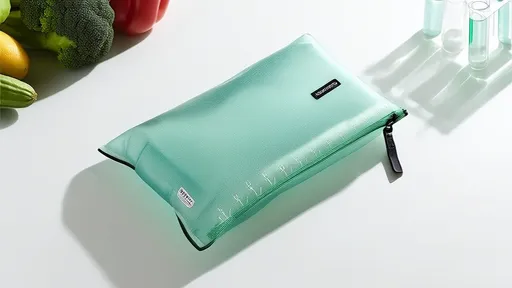
The global packaging industry is undergoing a quiet revolution as sustainability concerns push researchers toward unexpected biological solutions. Among the most promising developments emerges an unlikely hero: seaweed-based transport bags. These translucent, gelatinous-looking materials might soon replace conventional plastic packaging in everything from grocery deliveries to e-commerce shipments, offering a edible alternative that dissolves harmlessly if discarded improperly.
Seaweed's unique properties make it an ideal candidate for edible packaging solutions. Unlike land-based crops that require freshwater, fertilizers, and arable land, seaweed grows rapidly in ocean waters while absorbing excess carbon dioxide. Marine biologists have identified several species of red algae that produce natural polymers capable of forming durable yet biodegradable films. When processed correctly, these algal compounds create flexible sheets with tensile strength comparable to low-density polyethylene – the plastic commonly used in shopping bags.
The breakthrough came when material scientists discovered how to manipulate the molecular structure of carrageenan, a substance extracted from certain seaweeds. By adjusting the concentration of calcium ions during the extraction process, researchers achieved varying levels of water resistance and structural integrity. This allows customization of the bags' durability based on intended use – from single-use produce wrappers to sturdier shipping containers designed to withstand cross-continental logistics.
What sets these algal transport bags apart is their nutritional profile. While not intended as a food source, the bags contain trace amounts of minerals like iodine, potassium, and magnesium. Food safety regulators have confirmed the material meets all requirements for incidental consumption, meaning no harmful effects would occur if small amounts were accidentally ingested along with packaged goods. Some forward-thinking manufacturers are even experimenting with vitamin fortification, creating packaging that could theoretically supplement nutrients when dissolved in soups or sauces.
The production process begins at coastal seaweed farms where sustainable aquaculture practices minimize ecological impact. Harvested algae undergoes a cold-water extraction method that preserves its molecular structure while removing ocean salts and potential contaminants. The resulting viscous liquid gets poured onto temperature-controlled drying beds, forming continuous sheets that can be heat-sealed into bags of various sizes. Dyes derived from other marine plants provide color options without compromising edibility.
Real-world testing has yielded surprising advantages beyond environmental benefits. During tropical climate trials, the bags demonstrated natural temperature regulation properties, keeping perishable goods cooler than conventional plastic packaging. The material's slight porosity allows optimal gas exchange – extending the shelf life of fresh produce by maintaining ideal oxygen and carbon dioxide levels. Early adopters in the sushi industry report that seaweed-packaged fish maintains better texture and color compared to plastic-wrapped counterparts.
Logistics companies face unique challenges in adopting this technology. Humidity control becomes crucial during storage and transport, as the bags gradually weaken when exposed to moisture over extended periods. Manufacturers have responded by developing thin, edible protective coatings derived from crustacean shells that delay water absorption without affecting compostability. These innovations have extended the bags' functional lifespan to approximately nine months – adequate for most supply chain requirements.
The economic implications could reshape global packaging markets. Seaweed farming creates jobs in coastal communities worldwide, particularly in developing nations with suitable shorelines but limited industrial infrastructure. Preliminary calculations suggest that at commercial scale, production costs could undercut petroleum-based plastics while providing better profit margins for growers. This economic model has attracted attention from impact investors seeking sustainable alternatives to fossil fuel-dependent industries.
Consumer acceptance studies reveal both enthusiasm and skepticism. While environmentally conscious buyers embrace the concept, some express concerns about texture and appearance. The bags' natural slight odor and slippery surface feel unfamiliar compared to conventional plastics. Marketing teams are addressing these perceptions by emphasizing the story behind the product – how each purchase supports ocean conservation and reduces microplastic pollution. Early adopters tend to be premium food brands positioning seaweed packaging as part of their luxury sustainability ethos.
Regulatory hurdles remain before widespread adoption can occur. Food safety agencies in major markets are developing new certification categories for edible packaging materials. International standards organizations work to establish testing protocols for marine-derived packaging's performance under various conditions. Shipping regulations must adapt to accommodate biodegradable materials that don't pose contamination risks yet differ substantially from traditional packaging in their material properties.
The technology's potential extends beyond simple bags. Researchers are prototyping seaweed-based cushioning foams for fragile items, edible cold chain packaging for temperature-sensitive pharmaceuticals, and even flavored wrappers that could enhance the taste of contained products. Some visionaries imagine a future where packaging becomes part of the culinary experience – think pasta shipped in basil-flavored seaweed bags that dissolve into sauce during cooking.
As the world grapples with plastic pollution crisis, seaweed-based transport bags offer more than just an alternative material – they represent a fundamental rethinking of packaging's role in our ecosystem. What was once waste becomes nutrition; what was pollution becomes part of nature's cycle. While technical and cultural challenges remain, the oceans might soon give us not just food, but the very containers that bring it to our tables.

By /Aug 13, 2025
By /Aug 13, 2025

By /Aug 13, 2025

By /Aug 13, 2025

By /Aug 13, 2025

By /Aug 13, 2025

By /Aug 13, 2025

By /Aug 13, 2025

By /Aug 13, 2025

By /Aug 13, 2025

By /Aug 13, 2025

By /Aug 13, 2025

By /Aug 13, 2025
By /Aug 13, 2025

By /Aug 13, 2025

By /Aug 13, 2025

By /Aug 13, 2025

By /Aug 13, 2025

By /Aug 13, 2025

By /Aug 13, 2025
